What the Chandler Home Inspection Period Covers for Buyers
You found the house, your offer was accepted, and now the clock starts on one of the most important stretches of the whole purchase. If you are buying in Chandler, the Chandler home inspection period is your window to learn everything you reasonably can while you evaluate the property and your options under the contract. Here is what that window covers, how it typically works under the standard Arizona resale contract, and how to use it with a clear head.
What Is the Home Inspection Period in Arizona?
Most resale homes in Chandler and across the East Valley are purchased using the Arizona Association of REALTORS® Residential Resale Real Estate Purchase Contract. That contract gives the buyer a set number of days after acceptance, called the inspection period (sometimes called the due diligence period), to investigate the home and the things around it.
The length is set in your contract. The form has a default, and buyers and sellers can agree to something shorter or longer. Your purchase contract is the final word on your dates, so keep a copy handy and know your deadline.
Key takeaway: the inspection period is not just "the day the inspector comes out." It is a window for all of your research, and it has a firm end date.
What Buyers Can Review During the Chandler Home Inspection Period
A general home inspection is the centerpiece, but it is only one part. Here are common items buyers look into during this window.
The physical condition of the home
- General home inspection: a licensed inspector reviews visible and accessible systems, including the roof, attic, electrical, plumbing, HVAC, and appliances.
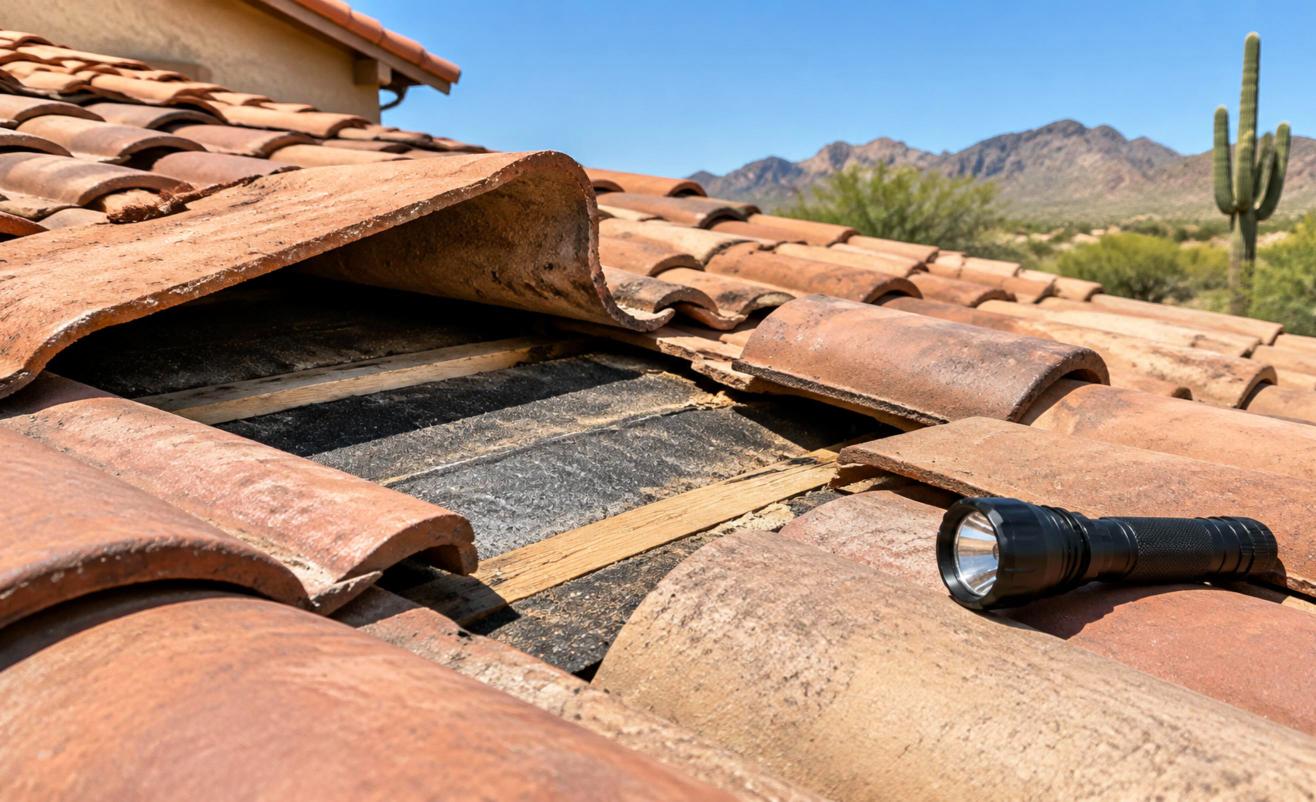
- Roof: many East Valley homes have tile roofs, and the underlayment beneath the tile can wear out over time. Some buyers bring in a roofer for a closer look.
- HVAC: cooling systems work hard here. An HVAC technician can give a more detailed read than a general inspection.
- Pool and spa: if the home has one, a pool inspection can review equipment, surfaces, and safety barriers.
- Sewer scope: a camera inspection of the main sewer line can reveal roots, breaks, or low spots.
- Termite inspection: a wood-destroying insect inspection checks for evidence of termites and other wood-destroying insects.
The paperwork and the property around it
- Seller's Property Disclosure Statement (SPDS): read it carefully and ask questions about anything that is unclear.
- Insurance claims history (CLUE report): shows past insurance claims on the property and can affect your homeowner's insurance.
- Insurance quotes: get real quotes now, not after closing.
- HOA documents: CC&Rs, rules, budget, and any planned assessments. These shape how you can use the home.
- Square footage, boundaries, and flood zone: verify what matters to you rather than relying on a listing description.
- The neighborhood: drive by at different times of day, check commute routes, and look into schools, zoning, and nearby development if they matter to you.
Good to know: some documents have separate review and objection deadlines, so we track those alongside your inspection deadline.
What Happens After the Inspections Are Done
Before the inspection period ends, buyers under the standard Arizona contract typically deliver a Buyer's Inspection Notice and Seller's Response, often shortened to the BINSR. This is where you state what you would like to do.
Finish your inspections first. Plan to complete all of the inspections and investigations you want before you deliver your inspection notice, because the items you disapprove of are identified together in one notice. In general terms, the options are:
- Accept the property as is and move forward.
- Request repairs or corrections, listing each item you disapprove of in the notice.
- Cancel the contract based on your inspection disapproval. If you go this route, the notice must identify the items you disapprove of.
If you request repairs, the seller then has a set time to respond. They may agree, agree in part, or decline. After that, the buyer has a set time to decide whether to move forward or cancel. Each step has its own deadline written into the contract.
Some buyers ask for a credit or price adjustment instead of repairs. If you are curious how that tends to play out, I covered it in Can Buyers Negotiate Seller Concessions in Chandler Right Now?
Key takeaway: missing a deadline can limit your options. Put every date on your calendar the day your contract is accepted.
How to Make Sense of Your Inspection Report
Inspection findings are common, even in newer homes. A long inspection report does not automatically mean a bad house. A few ways to keep perspective:
- Sort findings by type: safety items, major systems, and routine maintenance are different conversations.
- Get specialist opinions when the general inspector recommends further evaluation.
- Ask for estimates so you understand real costs instead of guessing.
- Talk to your lender if anything could affect your loan or appraisal.
- Decide what matters to you. Your priorities, budget, and plans for the home are what count.
If you want to see where the inspection period fits in the full sequence from search to keys, my step-by-step Arizona buying guide walks through it.
Frequently Asked Questions
How long is the inspection period when buying a home in Chandler?
It is set in your purchase contract. The standard Arizona resale contract includes a default length, and buyers and sellers can agree to change it. Check your contract for your exact deadline.
Who pays for inspections during the inspection period?
Under the standard Arizona resale contract, the buyer typically arranges and pays for their own inspections. Your contract spells out any exceptions, so review it with your agent.
What is a BINSR?
BINSR stands for Buyer's Inspection Notice and Seller's Response. It is the form buyers use to accept the property, request repairs, or cancel during the inspection period, and it is where the seller responds to any requests.
Can I cancel the contract during the inspection period?
The standard Arizona resale contract allows a buyer to cancel based on inspection disapproval by delivering the inspection notice before the inspection period ends, and that notice must identify the items being disapproved. Details on deadlines and earnest money are in the contract itself, so read it closely and ask questions before you act.
Buying in Chandler or the East Valley?
I’ll help you keep track of deadlines, understand the findings, and work through what to address before moving forward. Let’s talk about your home search.
Monika La Vigna, REALTOR®
Homes with Monika | Simply Real Estate
602-962-8007 | monika@homeswithmonika.com
This article is for general information only and is not legal, tax, or lending advice. Contract terms, deadlines, and options depend on your specific purchase contract. For guidance on your situation, consult your purchase contract, a real estate attorney, your lender, or a tax professional.
Categories
Recent Posts