
Selling a home in Arizona is not the same exercise it is in colder markets. Desert heat, cooling systems, water-wise landscaping, and a buyer pool that often includes out-of-state relocators all shape how a home should be priced, prepared, and shown. Here is what the process looks like in 2026.
Start with an accurate valuation, not a guess
Online estimates are a starting point, not a price. A real valuation weighs your home's condition, lot, upgrades, and the actual closed sales in your immediate neighborhood — not just the average for your ZIP code. In the East Valley especially, two streets can sit in different school boundaries, different HOA structures, and different price bands. Getting the number right at the start prevents the two most painful outcomes: sitting on the market, or leaving money behind.
Prepare the home for Arizona buyers
- Cooling and comfort: service the HVAC, replace filters, and make sure the home holds temperature evenly. Buyers touring in summer notice immediately.
- Curb appeal and desert landscaping: trimmed trees, fresh gravel or mulch, and clean hardscape photograph far better than overgrown turf.
- Exterior surfaces: in Arizona, sun and dust age paint, stucco, and roofing. Touch-ups on the front elevation pay off in photos.
- Disclosures and repairs: handle known issues before the inspection rather than renegotiating after it.
- Photography timing: shoot in the morning or late afternoon so rooms are lit without harsh desert glare.
Set a pricing strategy, not just a price
Pricing strategy includes where you launch, how you handle offers, and how long you are prepared to wait. Homes that are well prepared and correctly priced tend to attract serious buyers quickly, while homes that launch high and reduce later often end up selling below where they could have started. Your agent should walk you through the comparable sales and explain the trade-offs rather than simply agreeing with your preferred number.
What the timeline looks like
Most Arizona transactions move through a predictable sequence: preparation and photography, going live on the MLS, showings and open houses, reviewing offers, negotiating, inspection and appraisal, then escrow and closing. A well-prepared sale typically closes within a few weeks of going under contract, though repairs, appraisal questions, or buyer financing can extend that. Knowing the sequence in advance means fewer surprises when a deadline appears on the calendar.
Work with someone who knows the market
Monika La Vigna brings more than 20 years of experience in finance and mortgage to every transaction, which means pricing, financing, and negotiating are handled with the same trained eye. If you are thinking about selling in Arizona's East Valley — or anywhere in the Valley — let's start with a conversation about your home and your goals.
FROM OUR BLOG
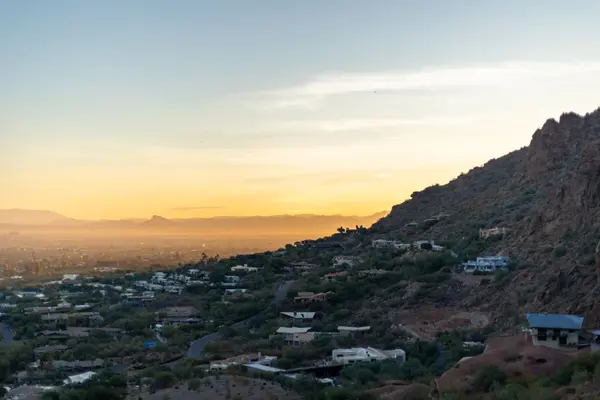
Buying a Home in Peoria AZ: Neighborhoods and Lifestyle in 2026
Peoria sits on the northwest side of the Valley in Maricopa County, where the suburbs thin out and the desert and Lake Pleasant take over. For buyers who want newer construction, shorter commutes to the West Valley's job centers, and easy access to outdoor recreation, it is one of the most balanced
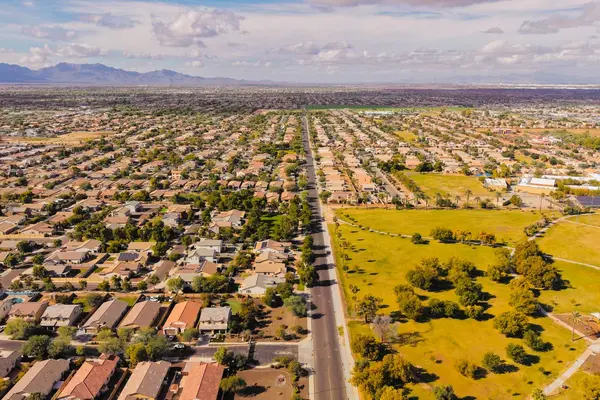
Queen Creek AZ Homes for Sale: What Buyers Should Expect in 2026
Queen Creek has grown from a quiet farming community into one of the most sought-after corners of Arizona's East Valley. Buyers are drawn by newer homes, larger lots, mountain views, and a small-town feel that still sits within easy reach of jobs in Chandler, Gilbert, Mesa, and the broader Phoenix m
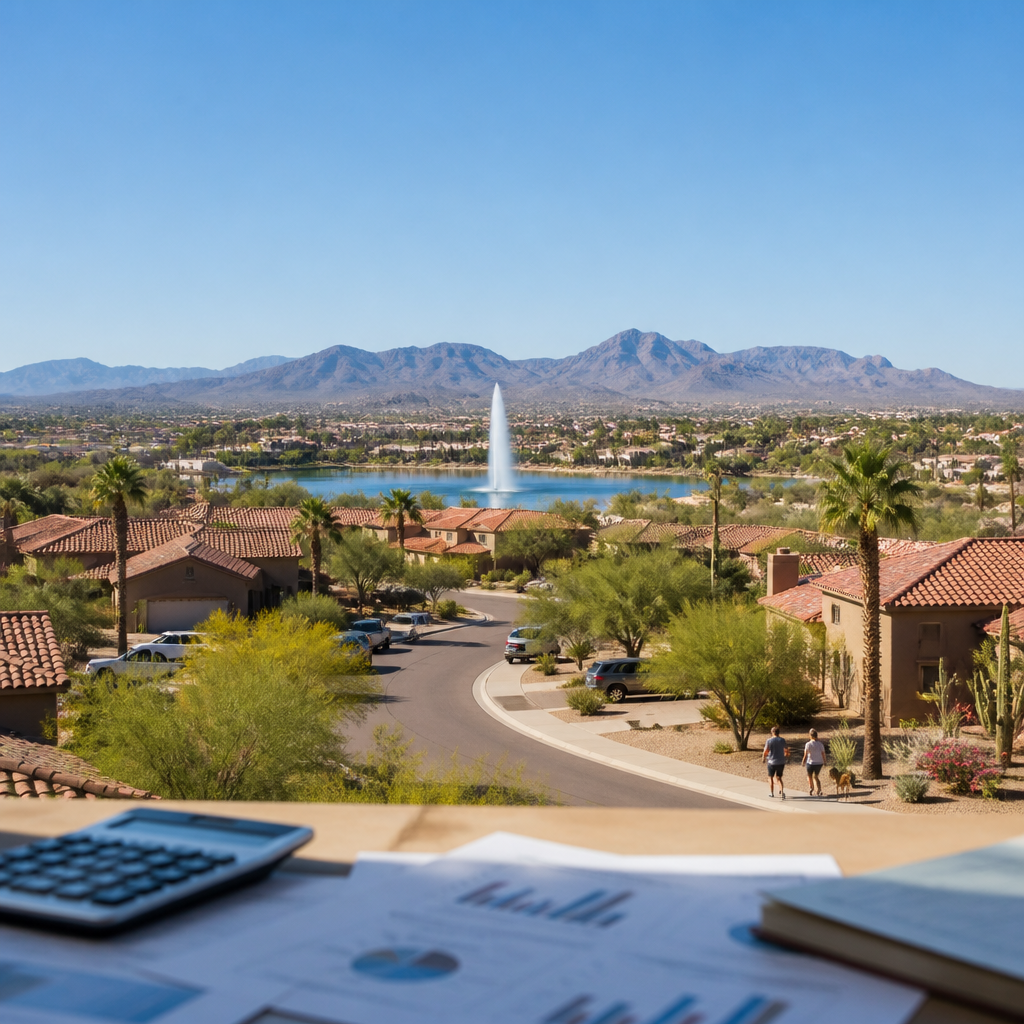
Buying a Home in Fountain Hills AZ: A First-Time Buyer’s Guide for 2026
Buying a Home in Fountain Hills AZ: A First-Time Buyer’s Guide for 2026 Buying a home in Fountain Hills AZ in 2026 offers a blend of desert scenery, suburban comfort, and relative affordability compared with some nearby Scottsdale submarkets. According to U.S. Census Bureau QuickFacts, Fountain Hill